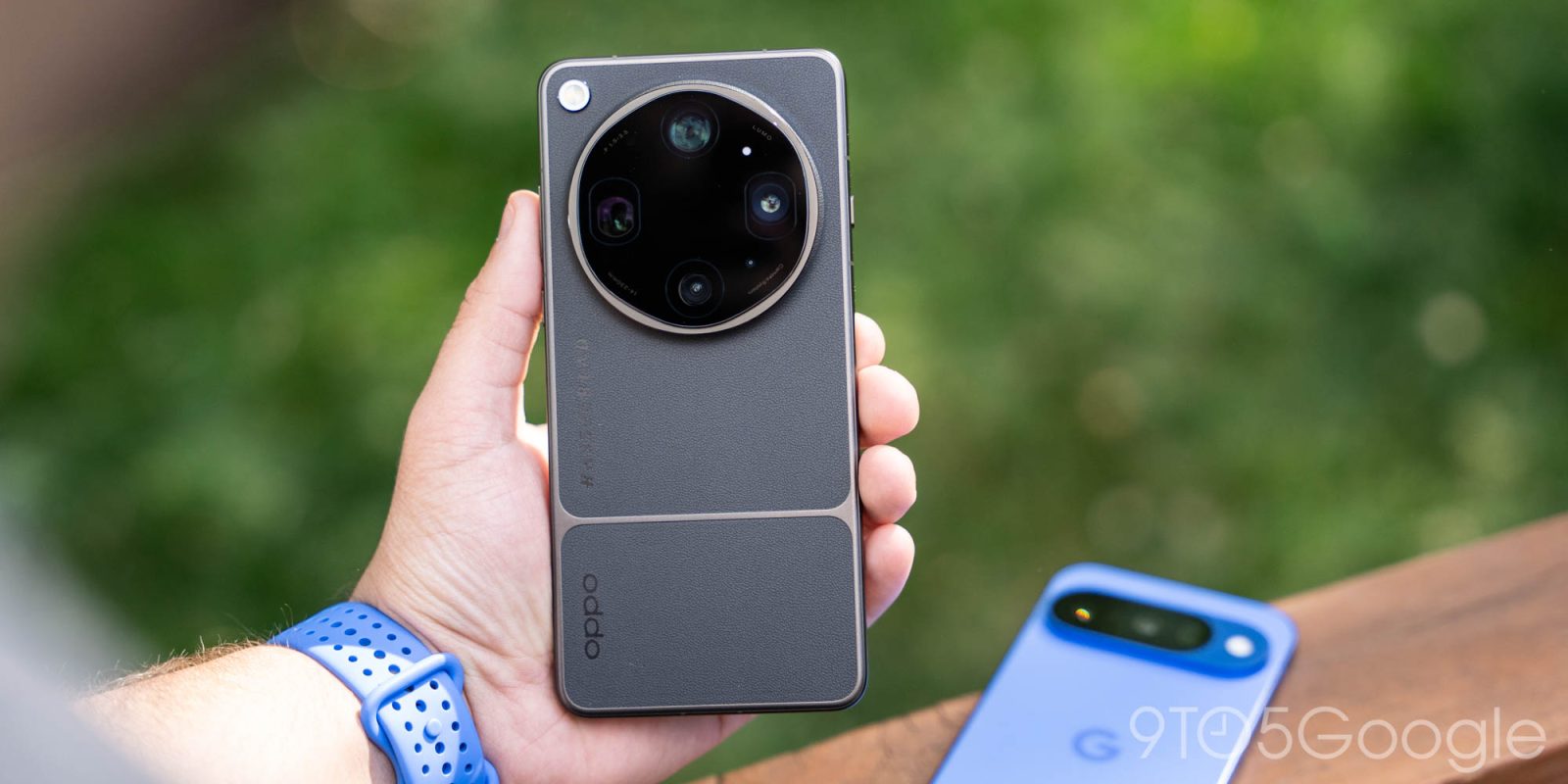
While there are a ton of different things I care about on my smartphone, the camera is a huge deciding factor. And, for a long time, Google Pixel has been my go-to thanks to its consistency and ease of shooting, but after a week with Oppo Find X9 Ultra, I think I might be carrying a new phone.

Smartphone cameras are all pretty good nowadays, but options in the US and most global markets are quite a ways behind what some brands in China have been cooking up. While Samsung’s definition of “Ultra” is to release the same phone for four generations in a row, the same branding usually means some crazy camera specs from those other brands.
This year, Oppo is launching its Find X9 Ultra globally and, with that, I’ve been able to spend some time with the camera-focused flagship.

“Wow” is my one and only reaction.

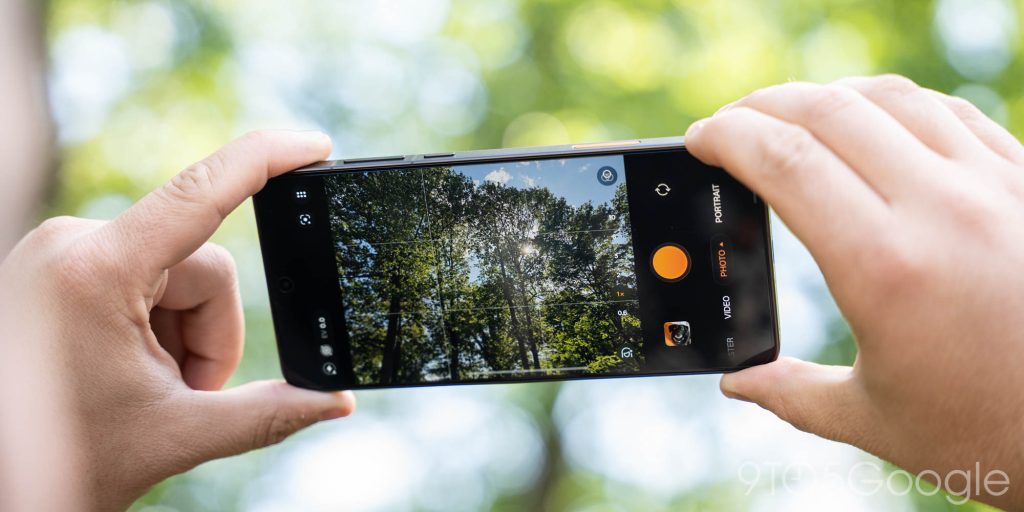
To quickly get the core specs out of the way, Find X9 Ultra is beastly. Snapdragon 8 Elite Gen 5, 7,050 mAh battery, 6.82-inch display, and the typical flagship-tier RAM and storage allotments. My review unit was the base model with 12GB of RAM and 512GB of storage, but those can be upped to 16GB and 1TB.
It’s really the camera that makes this phone compelling.
With Hasselblad tuning and Oppo’s “Lumo” camera system in tow, the rear camera consists of a 200MP main sensor, 200MP 3x periscope telephoto, 50MP 10x periscope telephoto, and a 50MP ultrawide. On paper, that’s incredible, but the results have somehow been even better.
The output here is unreal. Every photo or video taken by a smartphone has a distinct “phone look” to it. Usually, that consists of the backgrounds looking flat, very obvious processing, and several other factors. If you take two photos of the same scene with a smatphone and a traditional camera, the differences are immediately obvious.
The Find X9 Ultra is the first phone I’ve used that truly mimics a traditional camera.
There’s so much depth to the Ultra’s photos, and so much detail as well. This is most pronounced when using the 3x lens. You can get some semblance of this with a decent portrait mode, but in video, it’s even more obvious because you simply can’t fake your way into these optics.
Note: All photos and videos in this post needed to be compressed – you can view full-size samples here.
The hardware does much of the heavy lifting here, but Oppo’s processing is equally on point. In taking some action shots, I notice the raw result would often be blurry or a little wonky, but later I’d come back and the processed result would be really sharp. Something similar happens beyond 10x. A shot of my pups at a 383mm equivalent (around 16-17x) isn’t the sharpest thing out there by any means, but the processed result splits the difference between blurry digital zoom and a realistic image, given my shaky hands didn’t take time to stabilize the shot. Another example at the same focal length came out much better, but shots are noticeably softer beyond 10x – Oppo definitely ought to clean up its processing beyond this.
That’s the thing about this camera. It’s not perfect. It’s not trying to be. Like a real camera, flaws are an inherent part of the art form and Oppo isn’t trying to fully eliminate them.
After a few days with Oppo Find X9 Ultra, I’m ditching my Pixel 10 – which, to be clear, was a personal purchase and not a review unit – as my secondary phone, at least for the forseeable future. My main device is still the Galaxy Z Fold 7, which I’ve always felt the need to back up with a better camera in my other pocket.
The camera experience here is just way too good not to have on me. It’s like carrying an actual dedicated camera in my pocket.
It’s certainly enough to overcome Oppo’s software shortcomings, which are somehow in worse shape on the Find X9 Ultra than it was on the Find N6 I just covered. I can deal with a Liquid Glass ripoff, but Oppo’s refusal to support a double-tap camera shortcut remains infuriating, and the notification shade here lacks Android’s gestures for easy management. You can’t swipe down to expand on a group of notifications or an individual one, which is a ridiculous thing to change.
Normally, software is the thing that has me running back to Pixel, but Oppo’s camera experience is really just that good.
It’s a crying shame this phone isn’t coming to the US, but at least it’s coming to more global markets.
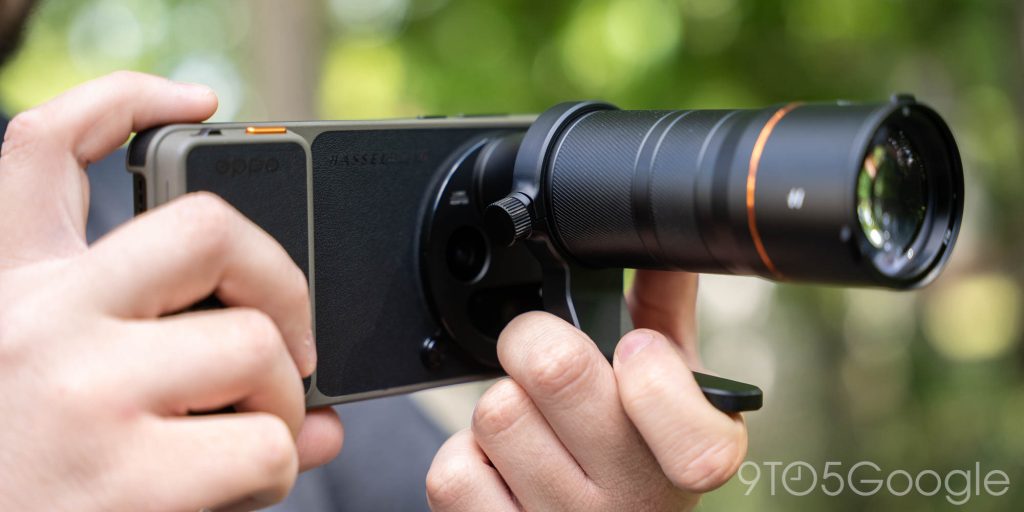
Stay tuned for a later full Oppo Find X9 Ultra review. I’ve only been using this phone for a few days, but so far I’m pretty happy across the board. Outside of the cameras, which you can see are great, the battery life has been solid and the hardware here is stunning. And I only just got my hands on Oppo’s wild Hasselblad 300mm lens.
Follow Ben: Twitter/X, Threads, Bluesky, and Instagram


FTC: We use income earning auto affiliate links. More.
